Instant shipping upgrade no charge: As of
today, all orders ship within one business day
Free shipping over $99 – Save up to 15% on fence kits – Save up to 15% or more on fence rolls
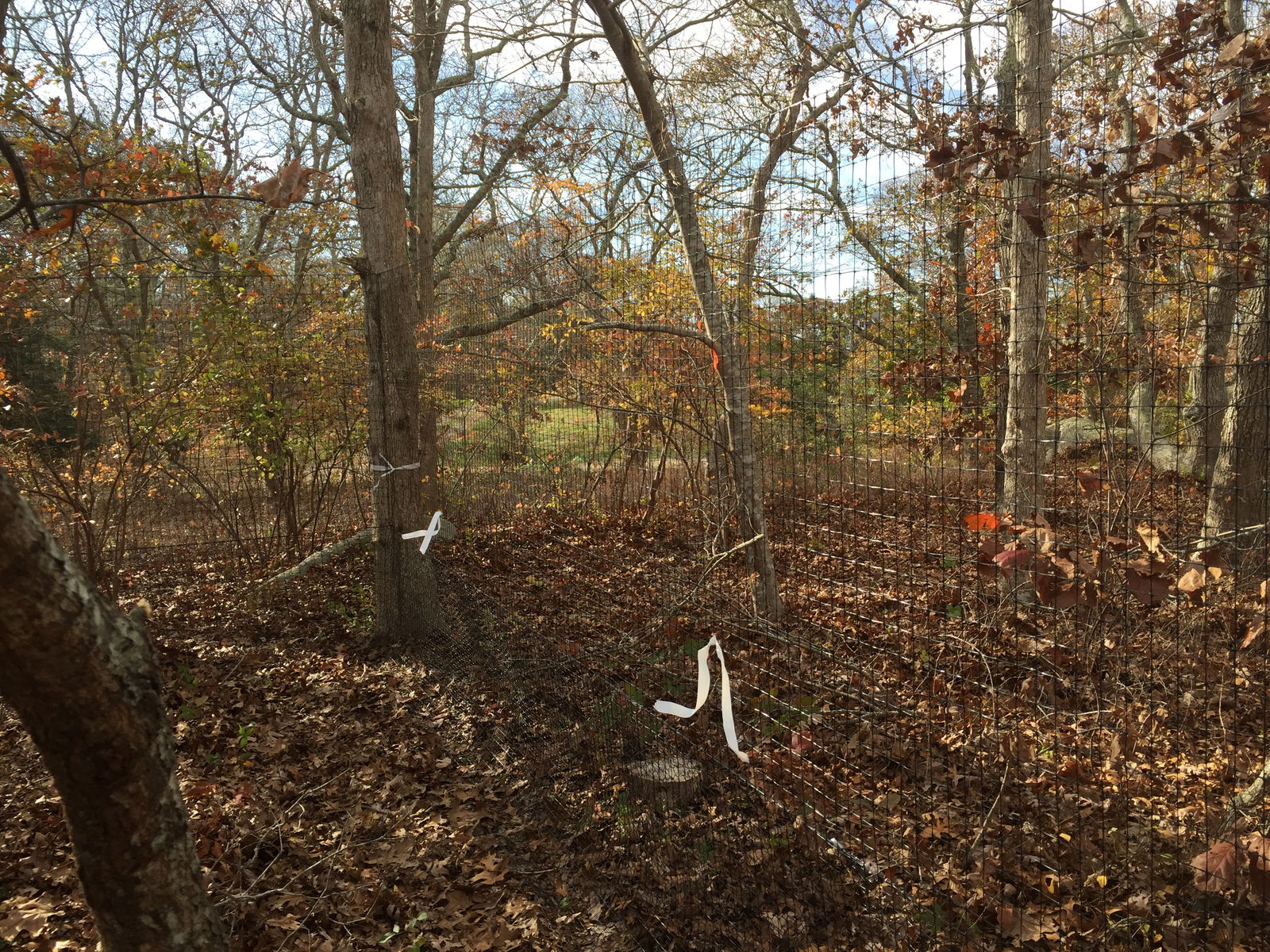
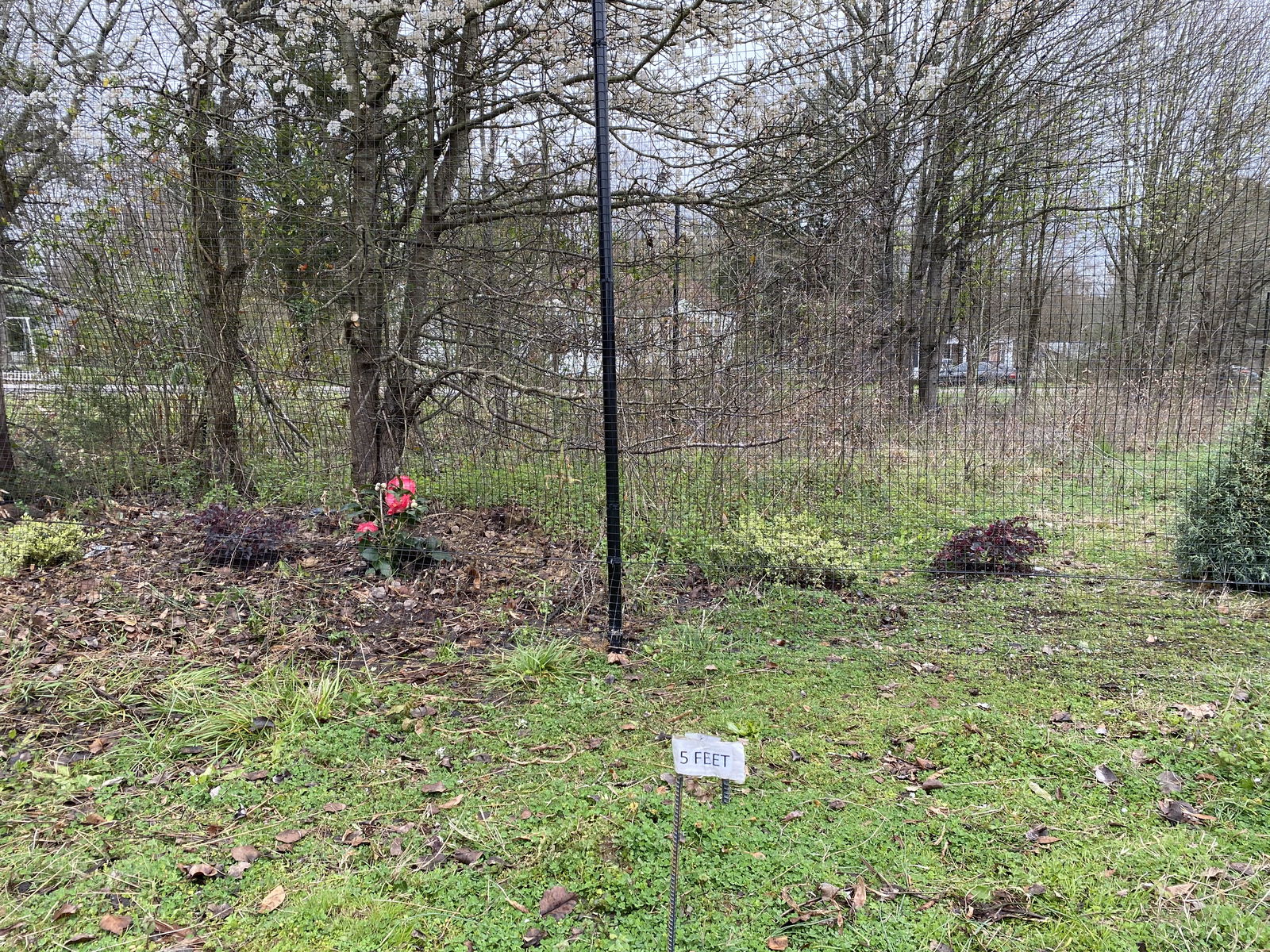
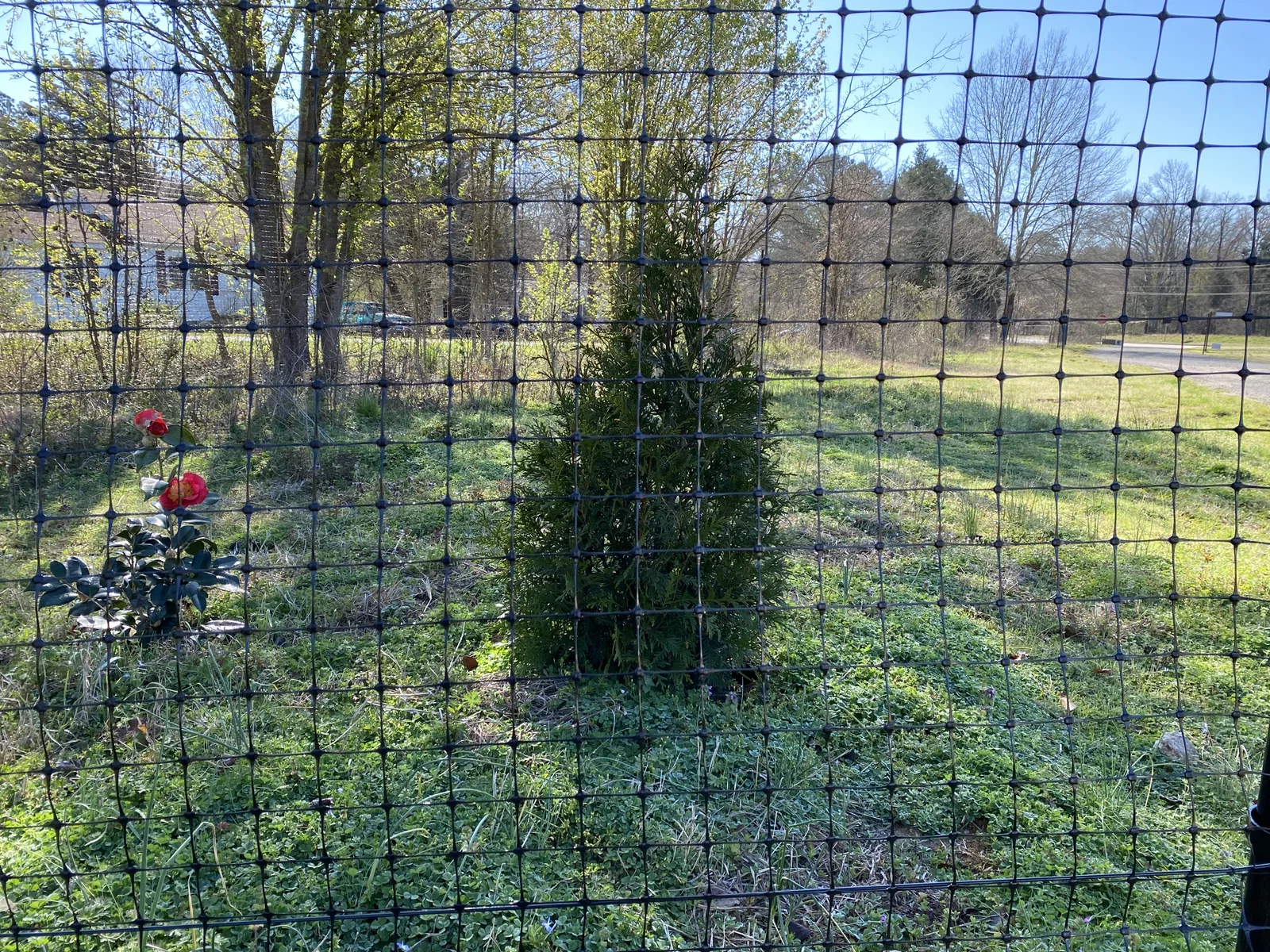
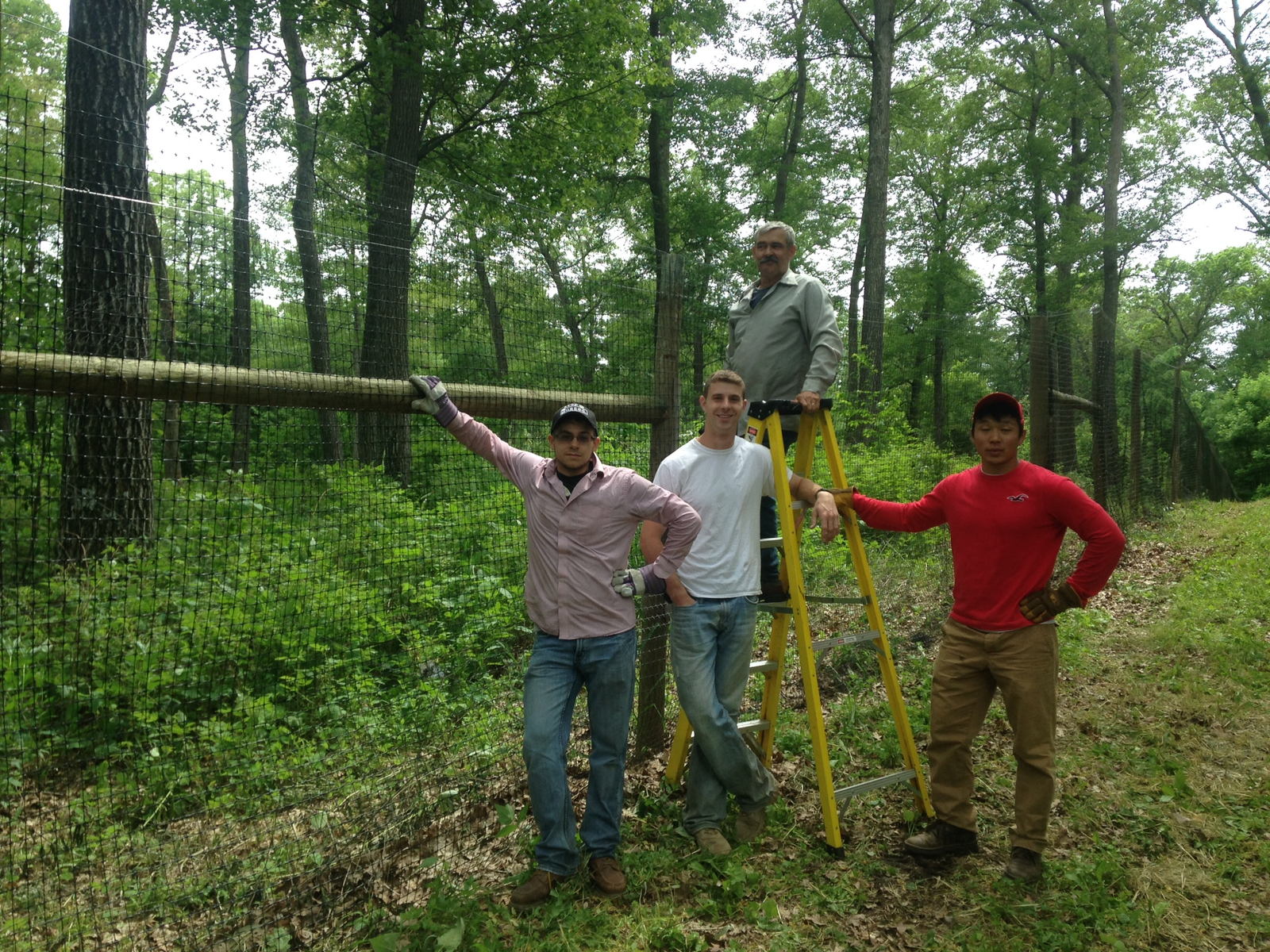
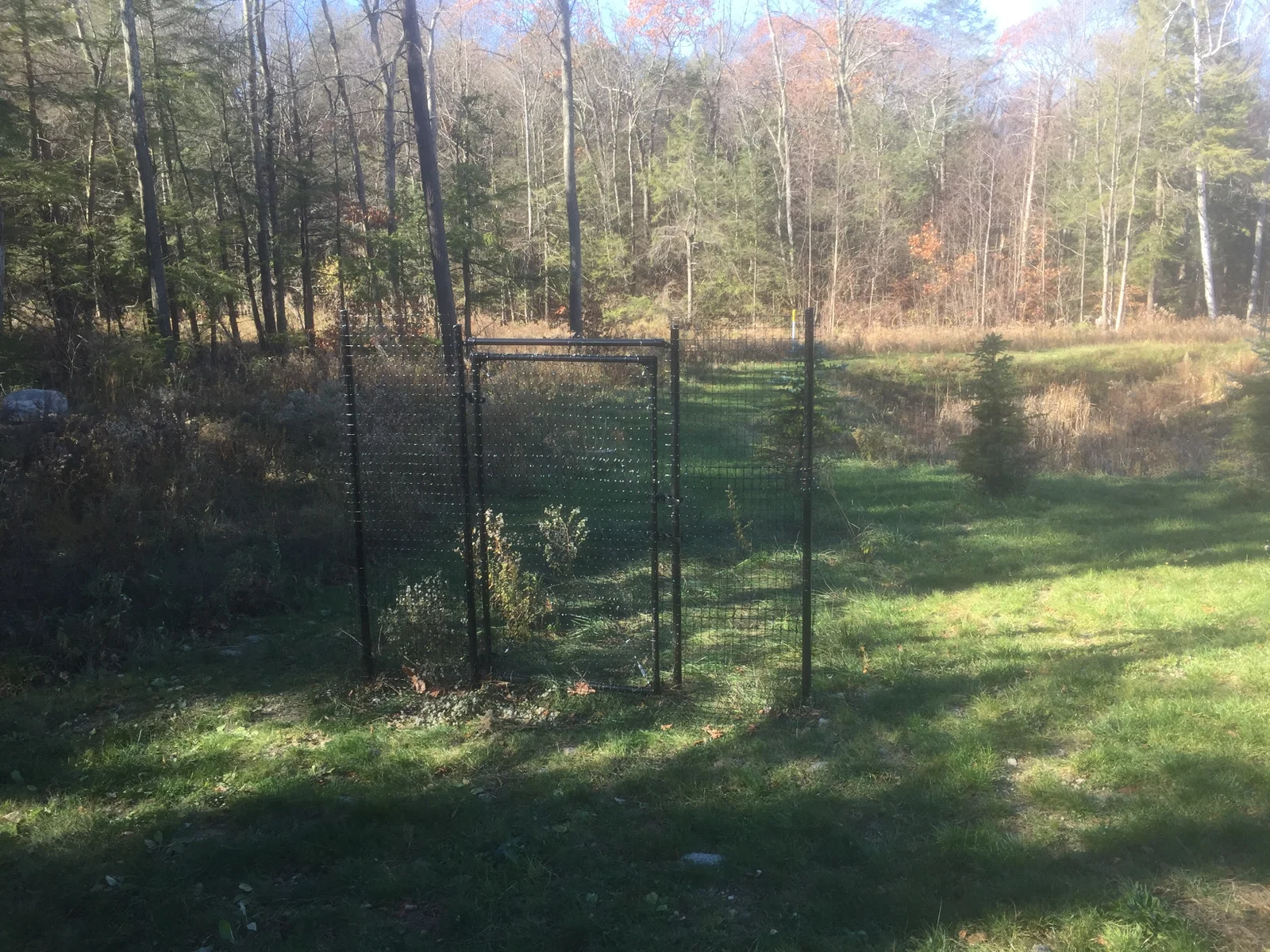
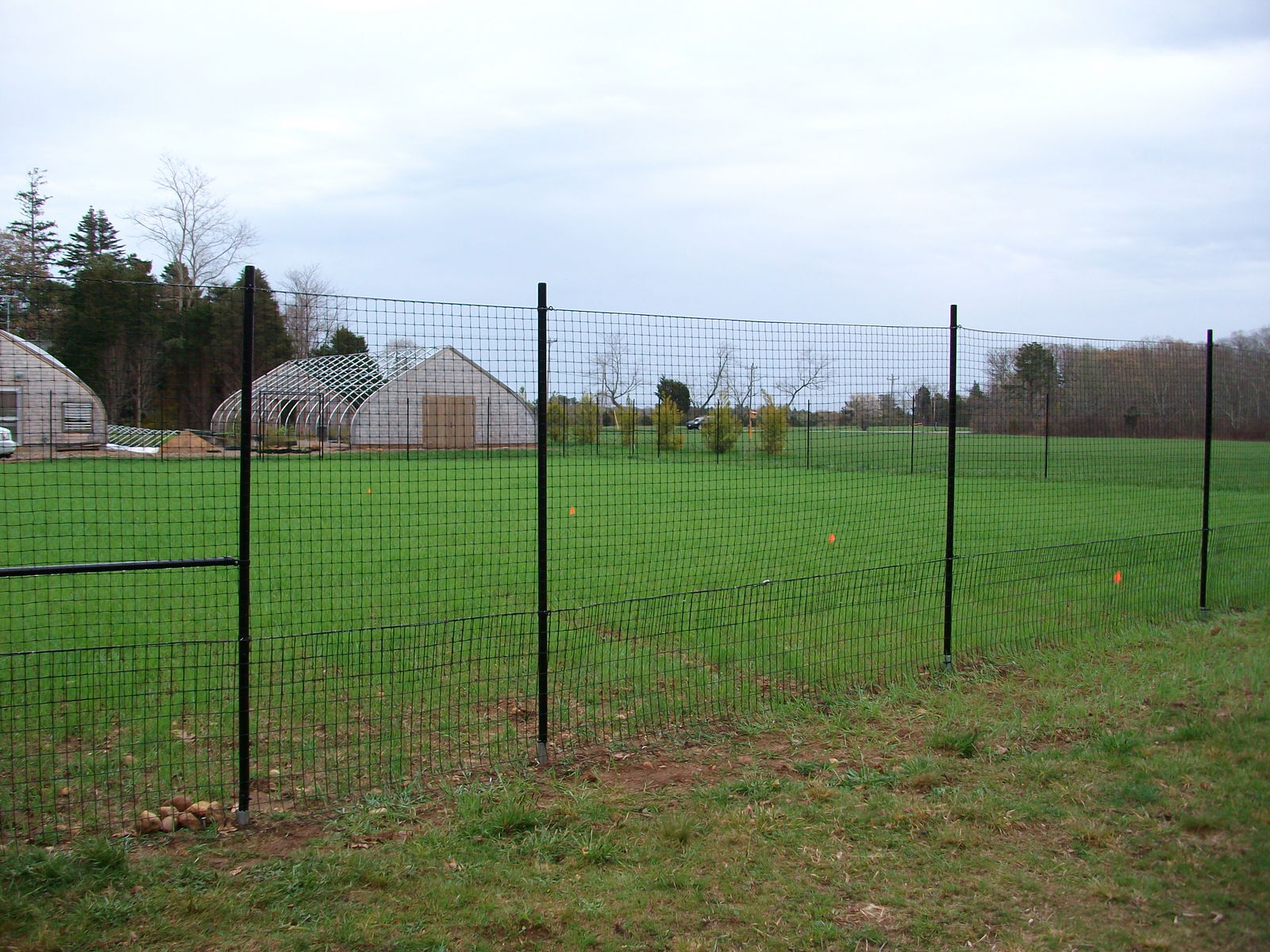
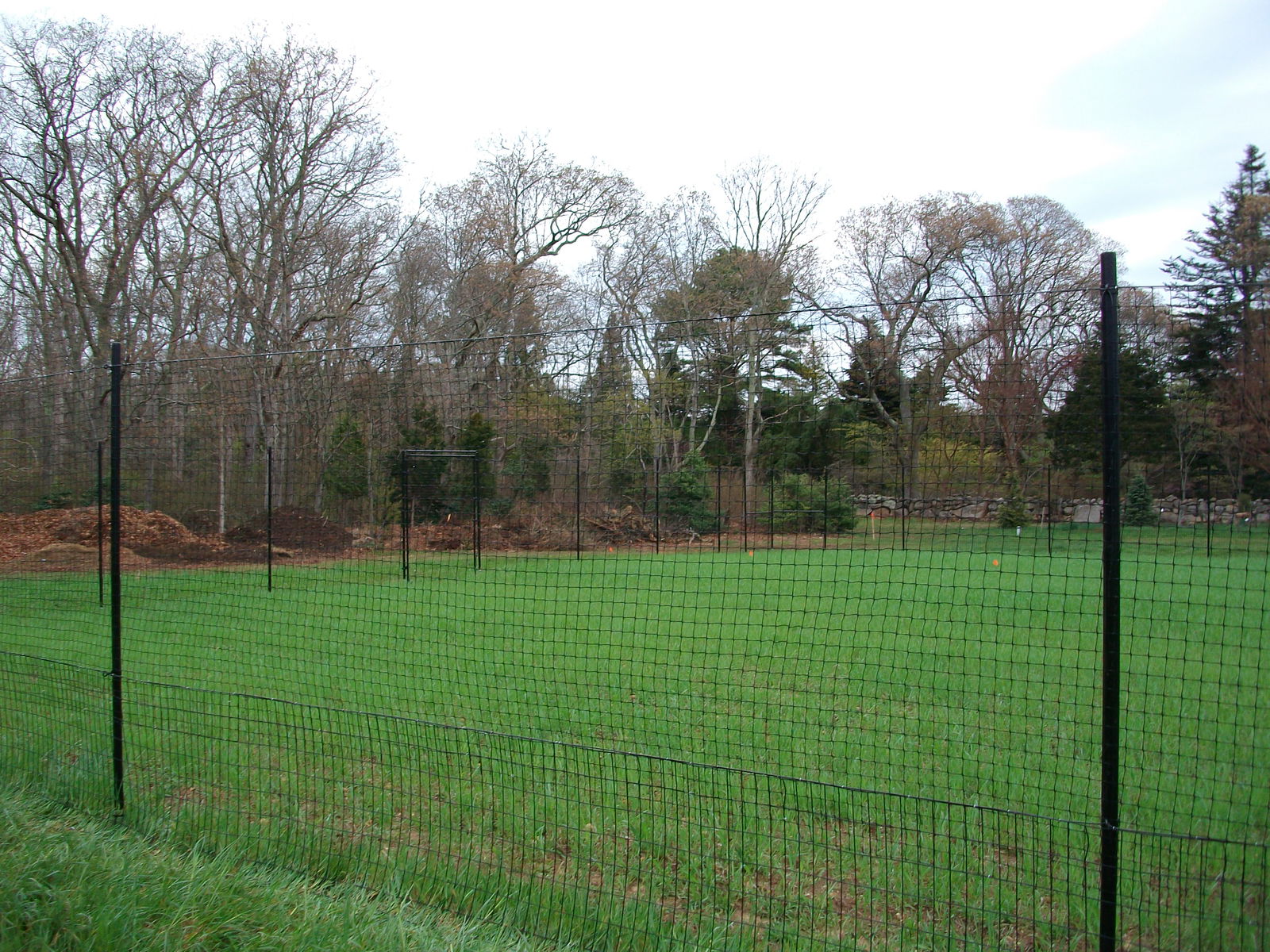
Our nearly invisible black fencing blends naturally into the environment, preserving views while creating a highly effective barrier that helps prevent costly damage to plants, trees, shrubs, and crops. From small backyard installations to large agricultural projects, we offer deer proof fencing solutions that are easy to install, scalable, and built for professional performance.
Every deer fencing system is designed with strength, reliability, durability and appearance in mind. We provide complete systems with fencing, posts, gates, accessories, and expert guidance to ensure your project succeeds from start to finish — since 1992.
Note
This is our deer fence starting page — for deer fence information, please scroll down below.
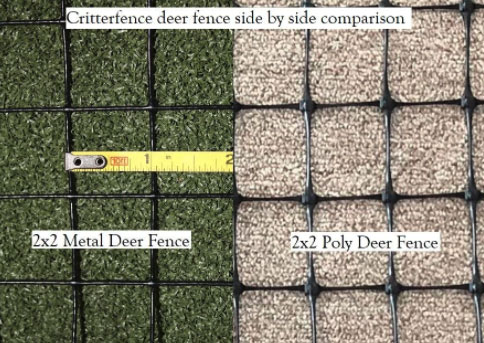
The best deer fence is strong enough to stop deer reliably without injuring them or allowing them to become entangled. A poly or metal fence with a 2-inch or smaller mesh opening is the standard recommendation. Beyond mesh size, the best deer fence depends on three key variables:
Height:
At least 7½ feet for most residential and agricultural applications. See the next section for full height guidance by application.
Strength:
A minimum of 650 lbs breaking strength per square foot for areas up to 350 linear feet; 950 lbs or more for larger perimeters. Deer occasionally run into fences at full speed, so strength matters.
Bottom security:
Deer can slide under unsecured fences. The best setups include either a 6” ground overlap staked down, or a separate chew-barrier layer at the base to prevent deer (and small animals) from pushing underneath.
For most applications the most popular choice is a poly deer fence paired with a small-opening steel chew barrier at the base — it keeps out deer, rabbits, and groundhogs in one system. Poly’s natural flexibility means it won’t retain dents or deformation the way metal can, which is an added advantage for high-traffic areas.
Sizing Guide
How Tall Should a Deer Fence Be?
A deer fence needs to be 6 to 10 feet tall. The right height depends on perimeter length and deer pressure in your area:
6 feet
for small enclosed areas (e.g., a 25’×25’ garden) that deer can walk around. Deer are less likely to jump into a tight closed space, and 6’ is also sufficient to protect individual shrubs and trees like arborvitae.
7½ feet
for most backyards and perimeter fences up to 500 linear feet — the standard recommendation for residential properties.
8 feet
for large areas, established deer paths, or areas protecting high-value food sources like orchards and vegetable crops.
10 feet
for deer containment (customers raising deer).
Keep in mind: if your fence is highly visible, deer can judge its height and may attempt to jump it. A low-visibility black fence reduces the likelihood of deer trying to clear it. In general, the smaller the enclosed area, the shorter the fence can be — deer are far less likely to jump into a confined 25’×25’ space than over a 300-foot perimeter fence.
Material Comparison
Compare Poly vs Metal Deer Fence Types
There are 1000+ fence kits, combinations and options within each type of deer fence. They can be constructed using all metal deer fence, a combination of metal and poly deer fencing, or all poly deer fencing.
Poly deer fence is strong and lightweight but does not offer protection against small chewing animals like rabbits — it’s best paired with a smaller opening size metal chew barrier base if those smaller animals are a concern.
Polypropylene Deer Fencing
Mesh Sizes:
Available in small (¾”–1”) to larger (1¾”–2”) openings for varied applications.
UV-Resistant and Long-Lasting:
Black carbon composition actively resists UV degradation — lifespan of 3 to 25 years depending on mesh type.
Non-Rusting:
Resists rust even in saltwater environments, making it ideal for coastal areas.
Flexible by Design:
Unlike metal, poly fence has no memory; if hit, it returns to its original shape. Breaking strength ranges from 400 to 1,400 lbs per sq ft.
PVC-Coated Steel Deer Fencing
Durable Construction:
Galvanized steel coated in black PVC provides a strong, long-lasting barrier in high deer pressure areas.
Rust Resistance:
PVC coating protects against weathering in harsh environments. Galvanized-after-welding finish covers joints for maximum rust prevention.
Opening Sizes:
1”×1” for chew/rodent barrier use; 2”×4” for general perimeter fencing.
Strength & Longevity:
Breaking strength from 800 lbs (woven wire) to 2,000+ lbs (heavy-duty welded). Lifespan of 5 to 25 years.
Our most popular deer fencing options include fence with overlap
(staked outward as a dig deterrent), a poly fence with chew barrier base
(for rabbit and groundhog exclusion), and 7½ foot height
for the majority of residential and agricultural installations.
Common Applications
Deer Fence for Gardens
Garden deer fencing is one of the most common applications we support, from small raised-bed vegetable gardens to large ornamental landscapes and orchards. The right setup depends on the size of the area you’re protecting and what animals are a concern:
Surrounding individual shrubs or trees
(like arborvitae): A 6-foot fence works well here, since deer won’t jump into a small enclosed space.
Backyard garden perimeters:
Start at a house corner, wrap the garden area, and return. 7½ feet is standard for these enclosures, including a gate for access.
Creating a full backyard area:
Starting at the house, going into the backyard, then back to the house again — a complete perimeter with driveway gates or deer grates (metal or concrete slatted fixtures deer won’t step over, similar to cattle grates).
Property-line perimeters:
Surround an entire property including a wide driveway gate or deer grate for a fully exclusion-grade solution.
A complete deer fence kit includes fencing, posts, gates, and all necessary hardware to build a working enclosure from scratch. Kits with a ground overlap or rodent barrier base provide complete multi-animal protection against deer, rabbits, and groundhogs.
Installation Guide
How to Install Deer Fence
Deer fences are made of support posts, rolls of fencing material, and hardware. Our installation system is designed for DIY builders and can cover large areas quickly — often without a contractor. The basic steps:
Drive ground sleeves
into the soil at post locations using a sledge hammer. Ground sleeves remain in the ground permanently and can accept removable or permanent posts.
Insert posts
into the ground sleeves and secure with locking set screws. Posts can be removed seasonally for storage; just leave the sleeves in place.
Attach fencing
to the posts directly with fence ties, or to a tension cable strung between posts for additional support on long runs.
Secure the bottom
by either burying the fence base or overlapping it outward and pinning it flat to the ground with stakes — this prevents deer from pushing up under the fence. Use kinked-wire fence stakes in standard soil, or long smooth-shaft stakes for loose sandy soil.
Fences with tensioning cables are not designed to be removable. It’s easier to remove a fence without overlap than one with overlap.
Important:
Deer can and do crawl under unsecured fence bottoms — they use their noses to pry up the base or simply lie down and slide under. Always secure the bottom.
Design Advantage
Why Black Deer Fence Works Best
Black is the most effective color for deer fence for both practical and behavioral reasons. Here’s why all of our deer fencing is engineered in black:
Near-Invisibility in the Landscape:
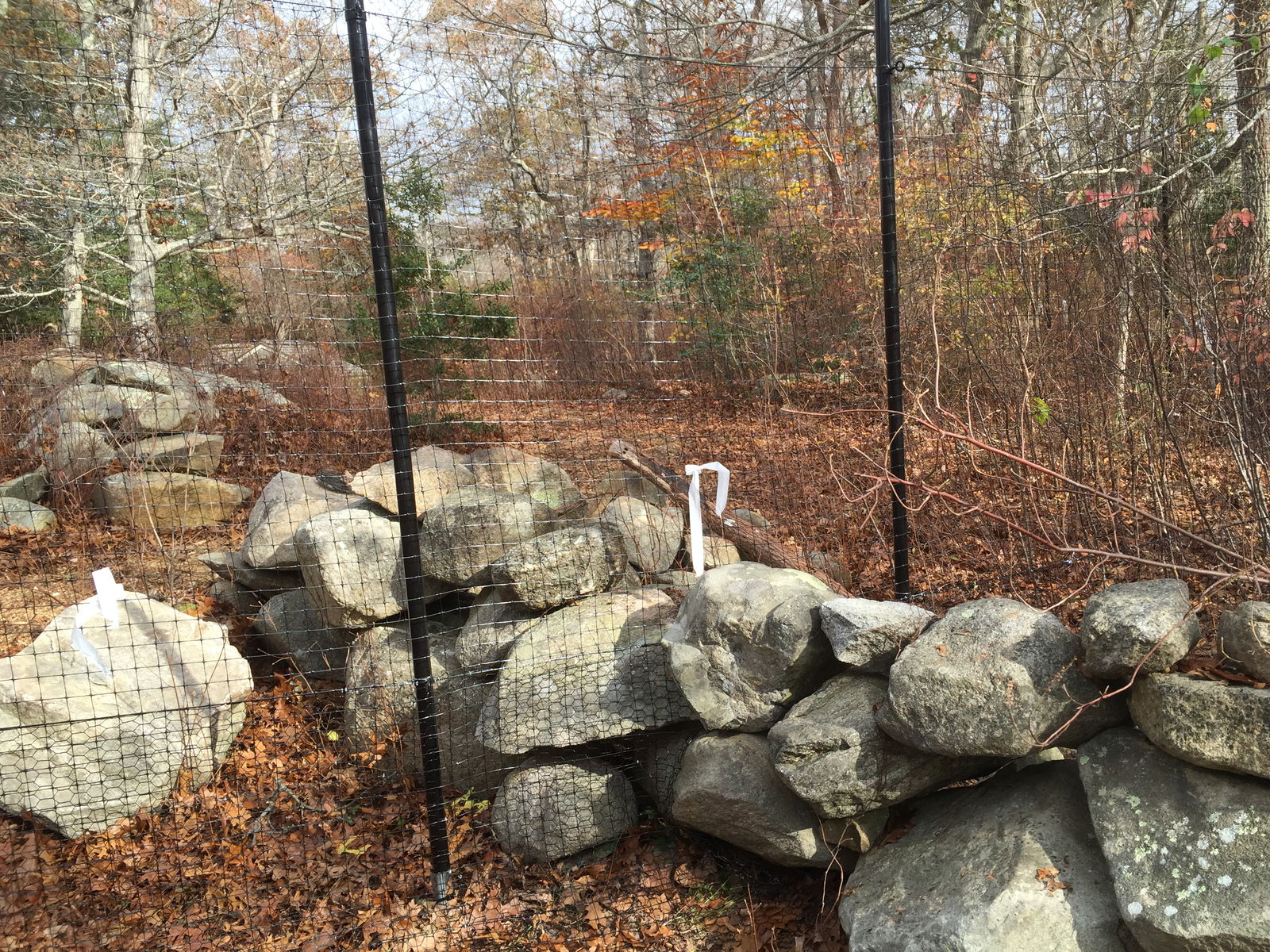
Black fence disappears visually against treelines, shrubs, and shadowed areas. From a distance — and especially at the edge of a wooded property — a properly installed black fence is nearly undetectable, preserving the natural look of your land.
Deer Can’t Judge the Height:
Deer assess a fence before attempting to jump it. Because black fence blends into the background, deer struggle to gauge its true height and are far less likely to attempt a jump.
UV Stability:
Black polypropylene and black vinyl-coated steel both incorporate black carbon pigmentation that actively resists UV degradation, extending fence lifespan versus uncolored or green alternatives.
Residential Aesthetics:
Unlike green or silver fencing, black disappears against natural vegetation. Neighbors often cannot tell there is a fence at all, which matters for residential properties, HOA communities, and scenic locations.
Critterfence deer fencing provides a durable and versatile solution for keeping deer out while maintaining a natural landscape appearance. Our fences are specifically designed to be as discreet as possible, minimizing visibility to prevent deer from trying to jump over them. Here’s what sets our deer fences apart:
Non-Electric, Reliable Barrier:
Our deer fences are entirely physical, with no electric components that can fail due to broken wires or dead batteries. This ensures a consistent and dependable barrier to keep deer out of your protected areas.
Customizable Options for Every Need:
Whether you require a strong, high-tensile fence or a lightweight, temporary barrier, Critterfence offers the most extensive selection of deer fencing products. You can choose the right combination of fence strength, height, chew resistance, and mesh opening size. We provide a variety of gate sizes from 3 feet to 24 feet wide, and options for thicker corner and end posts if needed.
Ideal for Permanent or Seasonal Use:
Our deer fencing can be installed permanently or made removable using ground sleeves, making it perfect for various applications including seasonal setups. Set up a temporary fence to protect gardens during the growing season, or safeguard trees and shrubs in winter when deer are more likely to seek out alternative food sources.
Effortless Installation Process:
Designed for easy DIY installation, our fencing systems use ground sleeves to secure posts without requiring concrete footings. Simply drive the ground sleeves into the soil, slide the posts in, and lock them with set screws. Large areas can be enclosed quickly, often without the need for contractors.
Direct Shipping from Our Warehouses:
Unlike companies that rely on drop shipping from third parties, Critterfence ships all products directly from our coast-to-coast warehouses — ensuring quick and reliable delivery with no middlemen involved.
Since 1992, Critterfence has provided high-quality deer fencing solutions to municipalities, universities, landscapers, farmers, and homeowners. We continually improve our products based on feedback and field testing, incorporating proprietary, patent-pending technology to deliver the best deer exclusion solutions available. With our fencing, you get a combination of strength, versatility, and ease of installation — making Critterfence the go-to choice for deer fencing projects.
Questions & Answers
Frequently Asked Questions About Deer Fence
What is deer fencing made of?
Deer fences are typically made from black polypropylene plastic or black PVC-coated galvanized steel, each offering unique benefits for different fencing needs.
Polypropylene
is available in mesh openings from ¾” to 2”, is UV-resistant (lasting 3 to 25 years), won’t rust even in saltwater environments, and has breaking strength from 400 to 1,400 lbs per sq ft. It’s lightweight, flexible, and returns to its original shape after impact.
PVC-coated galvanized steel
provides a stronger, more rigid barrier. Welded wire is constructed by welding individual wires at each intersection; woven wire uses bent and knotted wires for more flexibility. Galvanized-after-welding finish covers joints with zinc for the best rust prevention. Breaking strength ranges from 800 lbs for woven wire to over 2,000 lbs for heavy-duty welded wire, with lifespans of 5 to 25 years.
What is the best deer fence?
The best type of deer fence is strong enough to repel deer without hurting deer or getting deer caught in the fence. This is usually poly or metal fence with a 2-inch or smaller opening size paired with a secure bottom treatment (overlap or ground stakes) to prevent deer from pushing underneath.
What is deer netting?
Deer netting is another term for deer fence, typically referring to lightweight polypropylene deer fencing. This lightweight deer netting sometimes has 3/4”×3/4” opening size and is also marketed as bird netting. This lightweight mesh is best used for draping over plants to protect them from deer browsing and is unsuitable for a perimeter or yard deer fence.
Will a deer fence keep out ticks?
Yes. Research has shown that by excluding deer from an area you also exclude the ticks carried by deer. Studies have shown the amount of ticks (and the diseases they carry) is reduced by 90% over time.
How strong does a deer fence need to be?
650 to 1,400 lbs of breaking strength or more, depending on your application. Breaking strength is measured by pulling a 1’×1’ sample on a calibrated machine until it breaks:
For draping over shrubs or small enclosed areas: 400 lbs minimum.
Areas up to 350 linear feet: 650 lbs minimum.
350 to 1,000 linear feet: 750 lbs minimum.
Over 1,000 linear feet: 950 lbs minimum.
Deer fencing with 950 lbs breaking strength or more can repel any size deer running at full speed — which is the most common way deer damage fences (accidentally running into them).
Can deer crawl under a fence?
Deer can without a doubt crawl under a fence.
This is a little known fact. Deer can use their noses to pry up the bottom of an unsecured fence, and they can also lie down and slide under it. There are specially made ground stakes to pin a fence bottom flat to the ground. These stakes are usually made of thick wire steel or rebar and shaped like a candy cane. The longer smooth-shaft stakes are recommended for loose sandy soil; kinked fence stakes are used most everywhere else.
How do I build a deer fence?
Deer fences are made of support posts, rolls of fencing material, and hardware. Ground sleeves are first driven into the ground with a sledge hammer, posts then slide into the ground sleeves and secure with locking set screws. Fencing material is either attached to the posts directly with fence ties or attached to a tension cable which offers additional support. Deer fences can be buried at the bottom or overlapped and pinned to the ground with stakes to prevent deer from pushing up under the fence.
What is the easiest deer fence to install?
The easiest deer fence to install uses ground sleeves. Ground sleeves are first driven into the ground with a sledge hammer, posts then slide into the ground sleeves and are secured with a locking set screw. The posts can be permanent or removable. Deer fences with tensioning are not removable. It’s easier to remove a fence without overlap than one with overlap.
What is a wireless deer fence?
Wireless deer fence is an electronic device designed to be baited with food or an attractant with the intent of shocking deer to scare them away. These devices can be easy to install but are less effective than a permanent physical fence.
What is an electric deer fence?
Electric deer fence consists of electrically charged wires with the intent of shocking deer to scare them away. This type of electric fence can be more expensive than conventional fence and more difficult to install & maintain. Wild animals like deer are likely to run into strands of electric fence by accident; once the strands are broken the electric fence system is down and needs to be repaired. Electric fence is great for domestic farm animals like goats — a goat can be introduced to an electric fence once and will avoid it permanently. Wild animals are different; a traditional non-electric deer fence is recommended for wild animals.
How much does deer fence cost?
Deer fence ranges in price from $1 a foot to $10 a foot or more, depending on the width and type of deer fence and whether you are purchasing rolls of deer fence only or a complete deer fence kit with posts, gates, and hardware. Rolls of polypropylene deer fence cost less than all-metal deer fence.
Choose Critterfence deer fencing for dependable, long-lasting protection against deer and other wildlife. With customizable options, non-electric reliability, and easy installation, our deer fences provide a nearly invisible barrier that blends seamlessly with your landscape.
Trust our decades of experience and innovative designs to keep your property safe. Explore our wide selection of fence kits and enjoy direct shipping from our warehouses for a hassle-free experience.
!
🎉 You qualify for shipping add-ons!
Optional shipping add-ons are now available below.
Critterfence Customer Support
customerservice@critterfence.com