What Does a Deer Fence Really Cost?
The cost of a deer fence depends on more than the price of the fence mesh. A complete project may also require posts, ground sleeves, gates, corner and end assemblies, tensioning hardware, stakes, installation tools, shipping, and labor.
This guide explains the major cost categories and provides realistic examples to help you build a working budget.
At a glance: current six-foot DIY base-kit examples range from approximately $321 to $1,131 per 100 linear feet, depending on the fence material, strength, and design. Gates, braced corners and ends, tensioning, shipping, tax, and professional installation can increase the final project cost.

Fence Mesh Price vs. Complete Fence Cost
When comparing deer fence prices, first determine what is included.

Fence mesh only
A roll of deer fence is only one part of the finished system. A mesh-only price does not normally account for posts, ground sleeves, ties, stakes, gates, tools, or other installation hardware.
Complete DIY materials
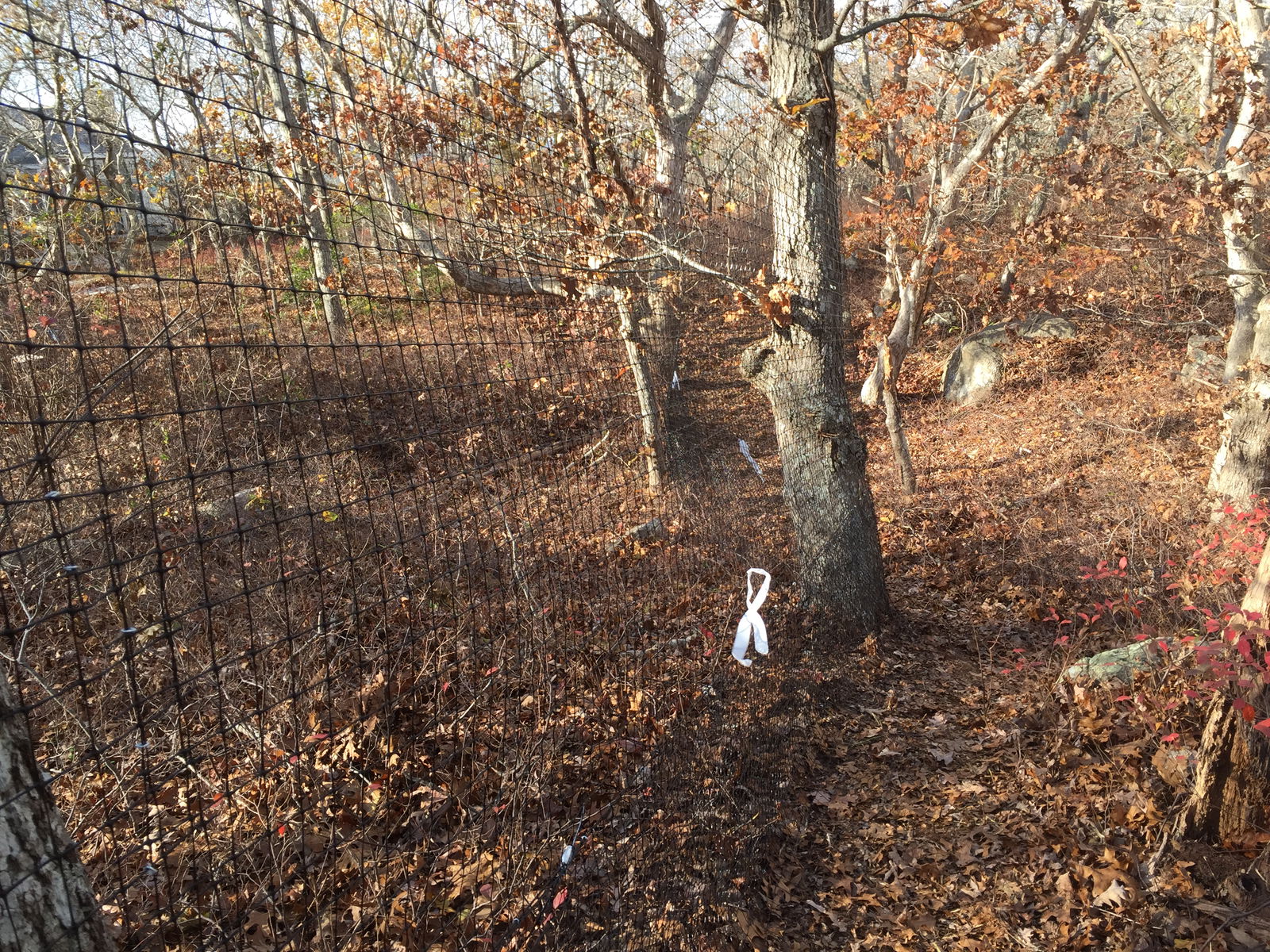
A DIY fence system may include the fence mesh, line posts, sleeves, ties, ground stakes, and installation hardware. Depending on the product and configuration, gates, braced corner posts, end posts, tensioning, and specialty tools may be selected separately.
Professionally installed fence
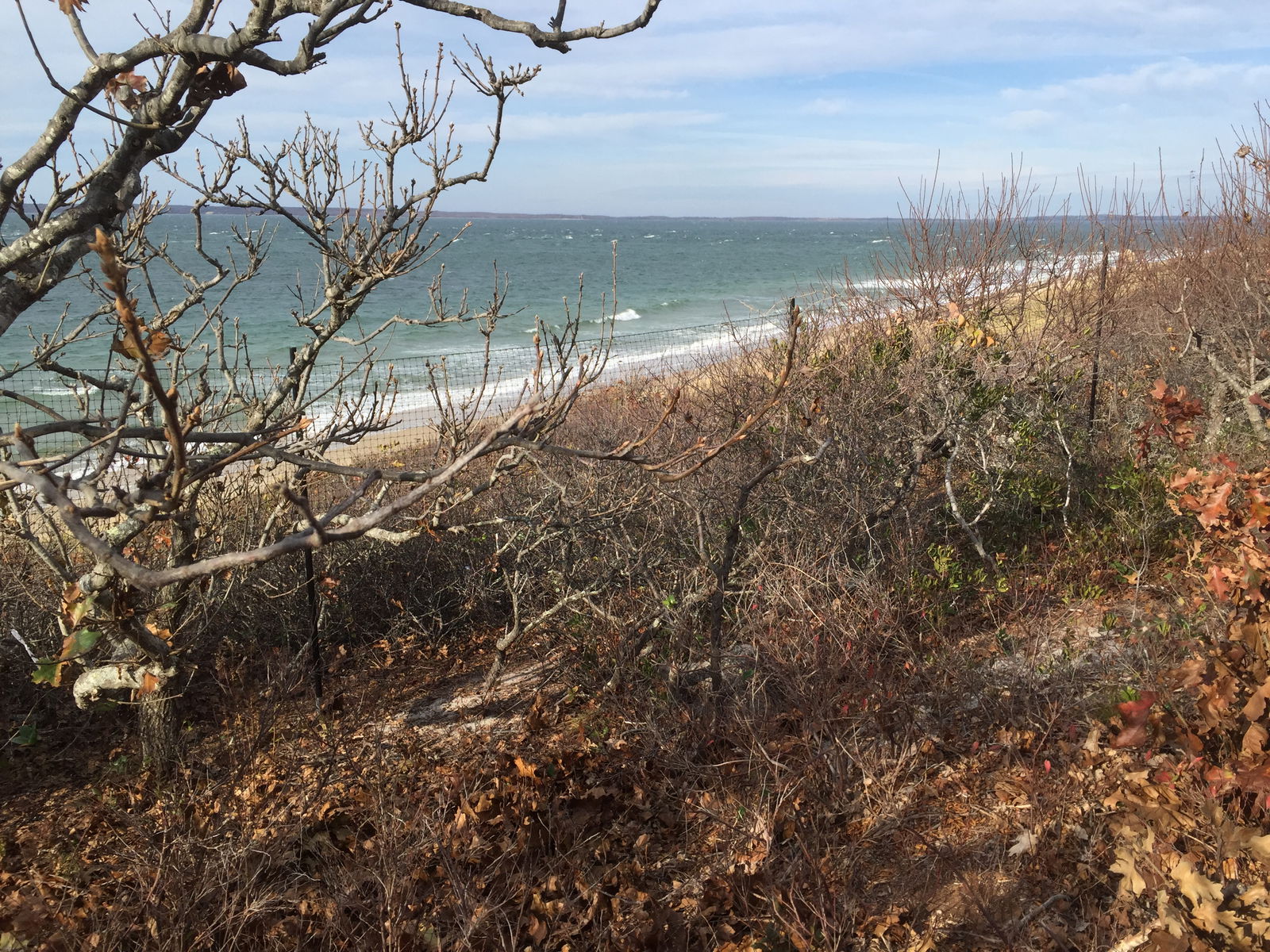
An installed price includes the materials plus labor and other site-specific expenses. Terrain, rocky soil, clearing, grading, travel, the number of gates, and the complexity of the fence line can all affect installation cost.
Tip: For an accurate comparison, make sure you are comparing the same type of estimate.
Current DIY Deer Fence Cost Examples
The following examples use current CritterFence catalog pricing checked in October 2026. These are illustrative base-kit ranges, not final project quotes.
| Approximate project size | Basic poly fence | Poly fence with metal barrier | All-metal fence |
|---|---|---|---|
| 100 linear feet | $321–$637 | $465–$1,131 | $633–$1,037 |
| 300–330 linear feet | $760–$1,295 | $1,170–$2,765 | Configure for current price |
| Approximately 500 feet | $1,402–$2,568 | $2,100–$5,026 | Configure for current price |
The 500-foot examples combine available 300- or 330-foot and 100-foot base-kit pricing. Actual pricing may be different when a complete project is configured, particularly when volume pricing, product options, or promotions apply. Current catalog references include CritterFence’s basic deer fence kits, poly-and-metal systems with a ground barrier, and all-metal deer fence kits.
These figures do not necessarily include:
- Access or driveway gates
- Braced corner and end posts
- Tensioning components
- Specialty installation tools
- Shipping and applicable tax
- Site preparation
- Professional installation

Poly, Poly-and-Metal, or All-Metal?
The material you select is one of the largest factors in deer fence cost.

Poly deer fence
Polypropylene deer fence is generally the most economical option. It is lightweight, unobtrusive, and appropriate for many garden, landscape, and seasonal applications.
Different breaking strengths are available. Heavier poly mesh typically costs more but offers greater durability.

Poly fence with a metal base
A poly-and-metal system combines deer fence mesh with small-opening steel fencing along the bottom. This design is commonly used when protection from rabbits, groundhogs, chewing animals, and other smaller wildlife is also important.
The metal barrier and additional attachment hardware increase the material cost, but they provide protection that a poly-only system may not offer.

All-metal deer fence
All-metal fencing offers greater resistance to chewing and physical damage. It is often selected for permanent installations, higher-pressure deer areas, dog containment, or projects where long-term durability is the priority.
See the CritterFence deer fence overview for more information about the available materials and construction styles.
What Changes the Cost of a Deer Fence?
Total fence length
Longer fences cost more in total, although the cost per foot may decrease when larger rolls or quantity discounts are available.
Line posts and post spacing
The number of posts depends on the mesh material, fence strength, terrain, and whether the system is tensioned. As a general guide, poly systems may use posts approximately 10 to 15 feet apart, while metal systems commonly require closer spacing.
A gate also affects the post layout. CritterFence’s post-spacing guide provides more detailed recommendations.
Fence height
A six-foot fence normally uses less material than a 7½-, 8-, or 10-foot system. The appropriate height depends on deer pressure, the size and shape of the enclosed area, and whether the fence is protecting a garden, landscape, orchard, or larger property.
Mesh strength
Stronger poly mesh and heavier metal fencing generally cost more. The least expensive mesh is not always the most economical choice if the site has heavy deer pressure, falling branches, chewing animals, or other sources of damage.

Gates
A small access gate costs less than a wide single- or double-leaf driveway gate. Gate height, width, ground sleeves, bracing, and selected product options can all affect the price.
When planning the project, count every pedestrian, equipment, vehicle, and emergency-access opening.
Tensioning
Tensioning can make a fence straighter, tighter, and more permanent. It also introduces additional components, including cable, collars, gripples, braced posts, and installation tools.
Metal fences and longer permanent runs are more likely to benefit from tensioning. See Should I Add Tensioning to a Deer Fence? for planning guidance.
Terrain and site preparation
Slopes, ledge, rocky soil, roots, brush, existing fence removal, and limited equipment access can increase installation time and cost.
Corners and ends
A simple rectangular fence generally requires four corners. More complex layouts may require additional braced corners, ends, and transition points.
Heavy-duty corner and end assemblies are especially important for tensioned fencing because they resist the load created by the tension cable.
Ground overlap and stakes
Some systems place additional fence material flat on the ground and secure it with stakes. This helps address animals that push under or dig near the fence line, but it requires additional mesh and hardware.
Shipping and tax
Shipping costs and promotions can change. Use the shopping cart or a written project quote to confirm the delivered cost rather than assuming that a listed product price represents the entire project.
DIY vs. Professional Installation

When a professional makes sense
Professional installation may make more sense when:
- The property has difficult terrain or rocky soil.
- The fence line requires significant clearing.
- The project includes numerous corners or large gates.
- The system will be fully tensioned.
- The fence is especially long or tall.
- The customer does not have the required tools or labor.
Installing it yourself
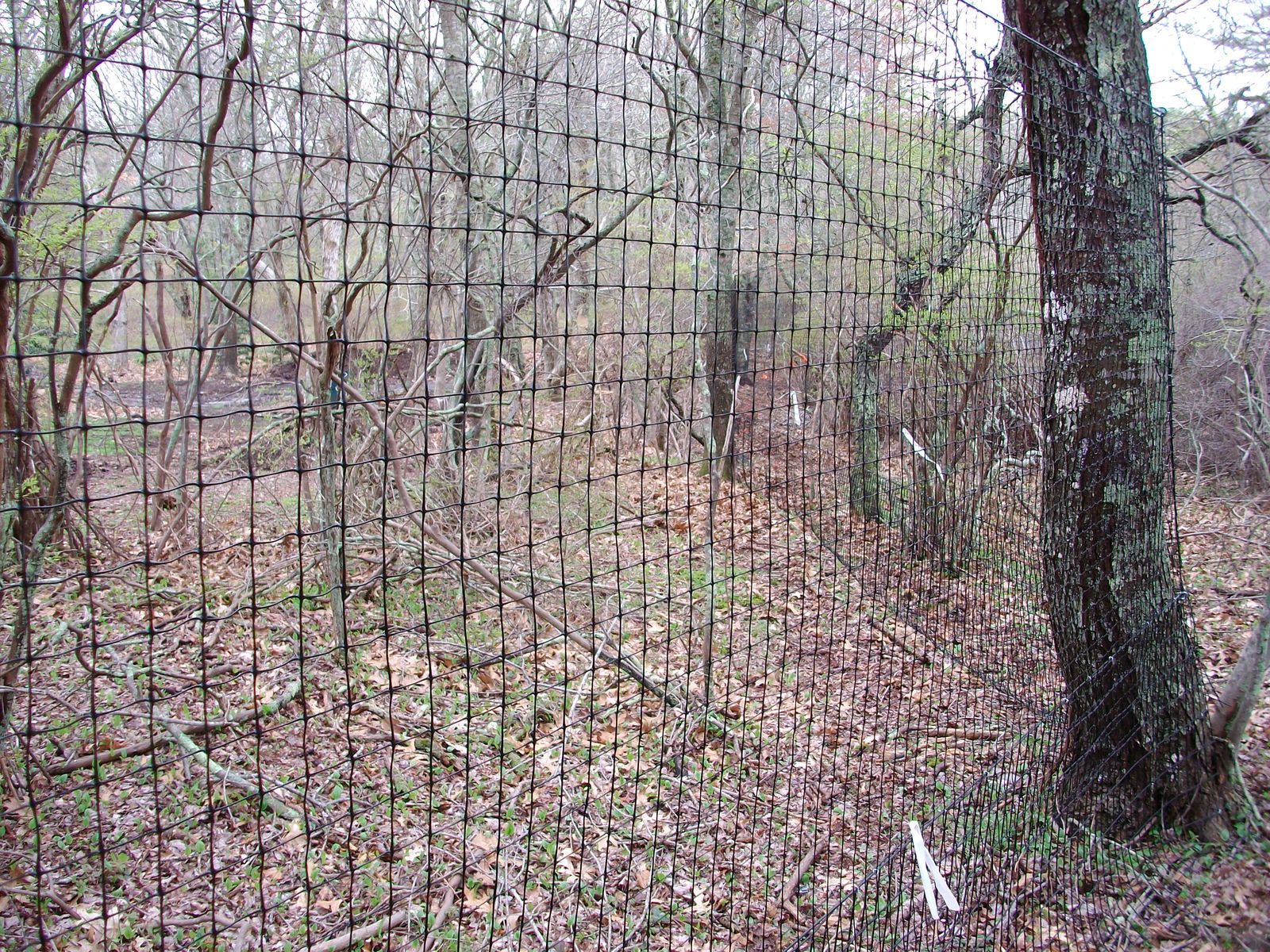
DIY installation can substantially reduce the labor portion of the project. It is often practical for customers who are comfortable measuring the fence line, driving ground sleeves, setting posts, attaching mesh, and installing gates.
Because labor rates and site conditions vary, there is no single reliable installed price per foot. A professional estimate should identify the materials, labor, site preparation, travel, and disposal costs separately.
How to Build a Deer Fence Budget
You can then use the CritterFence configurable fence kits to select a base system and add the appropriate gates, corners, ends, and other components.
For an unusual layout or large project, request a custom quote instead of estimating from mesh prices alone.
Before selecting a kit, record:
- The total perimeter in linear feet.
- The desired fence height.
- Whether poly, poly-and-metal, or all-metal fencing is preferred.
- The number of corners and fence ends.
- The number, type, and width of gates.
- Whether the fence will be tensioned.
- Whether ground overlap or a small-animal barrier is needed.
- Any difficult terrain or site-access conditions.
Frequently Asked Questions
How much does deer fencing cost per foot?
For current six-foot DIY base-kit examples, the material cost is roughly $3.21 to $11.31 per linear foot before gates, corners, tensioning, shipping, tax, or professional labor. The actual per-foot price depends heavily on material, strength, project length, and configuration.
Is poly deer fence less expensive than metal?
Poly fence is generally the lower-cost option. All-metal fencing usually costs more but provides greater resistance to chewing and physical damage. A poly-and-metal system offers a middle ground by using steel where smaller animals and chewing are most likely to be a concern.
Are gates included in the advertised kit price?
This depends on the particular product and configuration. Review the included-component list carefully. In the configurable kit builder, access gates, driveway gates, corners, and ends may be selected according to the project layout.
Do I need special corner posts?
A basic non-tensioned installation may have different requirements from a tensioned system. Tensioned fences normally require braced corner and end posts capable of resisting the cable load.
Is shipping included?
Do not assume shipping is included unless the product page, cart, or written quote specifically states that it is. Shipping promotions can change, and oversized gates or components may be handled differently.
Should I choose a 7½- or 8-foot fence?
Taller systems provide additional protection where deer pressure is high or the enclosed area is small enough that deer may be more inclined to jump it. Fence visibility, layout, terrain, and local conditions should also be considered.
Get an Accurate Deer Fence Price
A useful deer fence estimate should include the entire system—not just the mesh.
Start with the deer fence kit configurator to select your fence material, height, components, and installation accessories. For large, complex, or professionally installed projects, contact CritterFence for a project-specific quote.
Pricing note: Pricing examples were checked in October 2026. Current product and shopping-cart pricing controls.